Activation Code Sequences Driving Rapid Payouts in Handheld Live Dealer Gaming
Written by Katja Simon · Sep 4, 2026
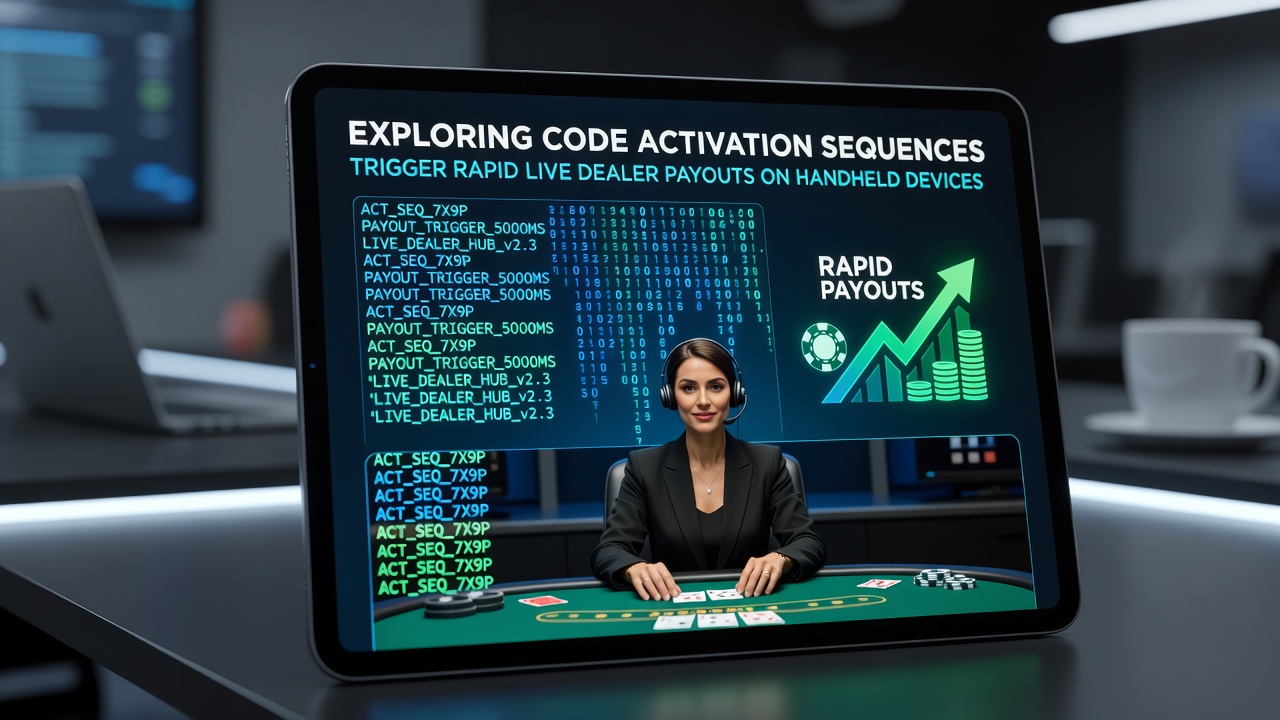
Activation Code Sequences Driving Rapid Payouts in Handheld Live Dealer Gaming
Activation sequences in mobile casino applications follow structured patterns that operators design to verify bonus eligibility before processing withdrawals, and these patterns connect directly to live dealer environments where real-time game outcomes determine fund releases. Research from industry reports shows that sequences typically begin with user input of alphanumeric strings, followed by system validation against backend databases, while handheld devices transmit these requests through encrypted mobile networks that reduce latency compared to desktop connections.
Core Components of Activation Sequences
Operators program sequences to include multiple verification layers such as device fingerprinting, account linkage checks, and bonus code matching, and this layered approach ensures that only qualifying players access accelerated payout routes in live dealer sections. Data indicates that sequences often incorporate time-sensitive elements like session tokens generated during gameplay, which then align with withdrawal requests to trigger priority processing queues. Observers note that handheld platforms integrate these sequences into app interfaces through push notifications or in-game overlays, allowing players to activate codes without exiting the live dealer table view.
Handheld Device Integration Factors
Smartphone operating systems handle code activation through native APIs that support secure data exchange, and applications leverage these APIs to maintain continuous connections with live dealer servers during the entire sequence execution. Studies reveal that mobile-specific optimizations, including push-based authentication and biometric confirmations, shorten the interval between code entry and payout approval because they bypass some manual review steps required on other platforms. Those who monitor app performance data find that sequences run more efficiently on devices with updated firmware, since older systems introduce delays in token generation and transmission.
Live dealer environments add another dimension because real-time video streams and dealer interactions generate additional metadata that sequences must incorporate for validation, and this metadata helps platforms confirm that bonus conditions tied to table games have been met before releasing funds. Industry figures show that sequences designed for live dealer mobile play often bundle multiple game rounds into a single verification event, which streamlines the path to cashout compared to slot-only bonuses.
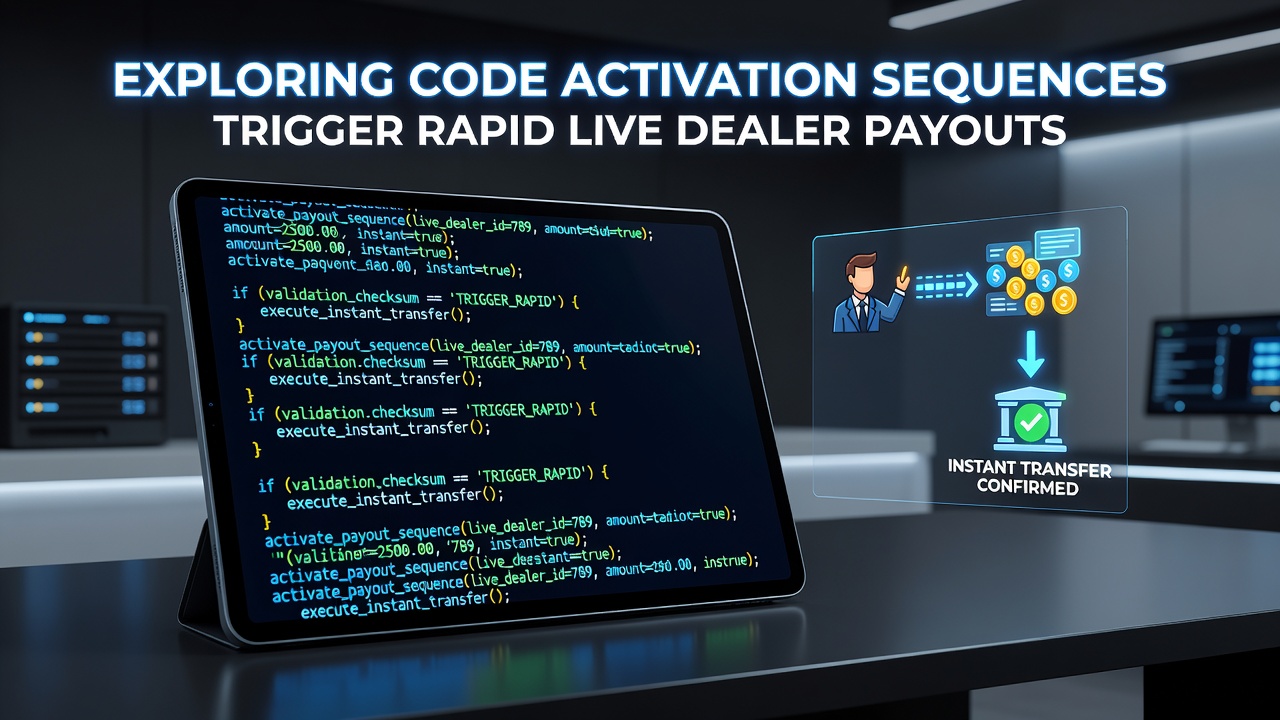
Timeline Influences and Processing Patterns
Processing timelines shorten when sequences complete all validation steps within a single mobile session, and operators route these completed sequences to automated payout systems that handle live dealer winnings separately from other game types. Reports compiled through September 2026 highlight that mobile activations account for a growing share of expedited withdrawals across licensed platforms, with sequences incorporating geo-location checks that satisfy regional requirements without additional manual intervention. People who track transaction logs observe that sequences triggering rapid payouts frequently include secondary confirmations sent via SMS or app alerts, which reduce the chance of delays from incomplete submissions.
External regulatory frameworks shape how sequences are constructed, with bodies such as the Canadian provincial gaming authorities requiring clear audit trails for every code activation that leads to a withdrawal. Similar standards appear in Australian oversight documents, where operators must demonstrate that mobile sequences maintain the same security levels as traditional channels while supporting faster fund movement for verified players.
Technical Sequence Execution on Portable Devices
Execution begins when the player enters the code into a designated field within the live dealer app interface, after which the system cross-references the code against active campaigns and player history in real time. This cross-reference step connects to payout eligibility because successful matches flag the account for priority handling in the withdrawal pipeline. Handheld devices benefit from background processes that keep the sequence active even if the user switches between the dealer stream and the cashier screen, and this continuity prevents common interruptions that extend processing on less integrated platforms.
Further stages involve cryptographic signing of the activation request, which handheld hardware accelerators complete quickly, and the signed request travels to central servers that update balance ledgers before authorizing the transfer. Observers tracking performance metrics note that sequences optimized for 5G networks show measurable reductions in total time from activation to bank transfer initiation, particularly when live dealer sessions generate high-volume metadata.
Conclusion
Activation code sequences in mobile live dealer settings combine verification, device capabilities, and regulatory compliance into workflows that support faster payout processing when executed correctly. Industry data continues to document how these sequences evolve alongside mobile technology, with patterns emerging around integrated authentication and automated eligibility checks that directly affect withdrawal speed across handheld platforms.