Examining How Adjusted Withdrawal Schedules Align With Reward Level Advancements in UK Mobile Live Dealer Tables
Written by Ines Zimmermann · Aug 10, 2026
Examining How Adjusted Withdrawal Schedules Align With Reward Level Advancements in UK Mobile Live Dealer Tables
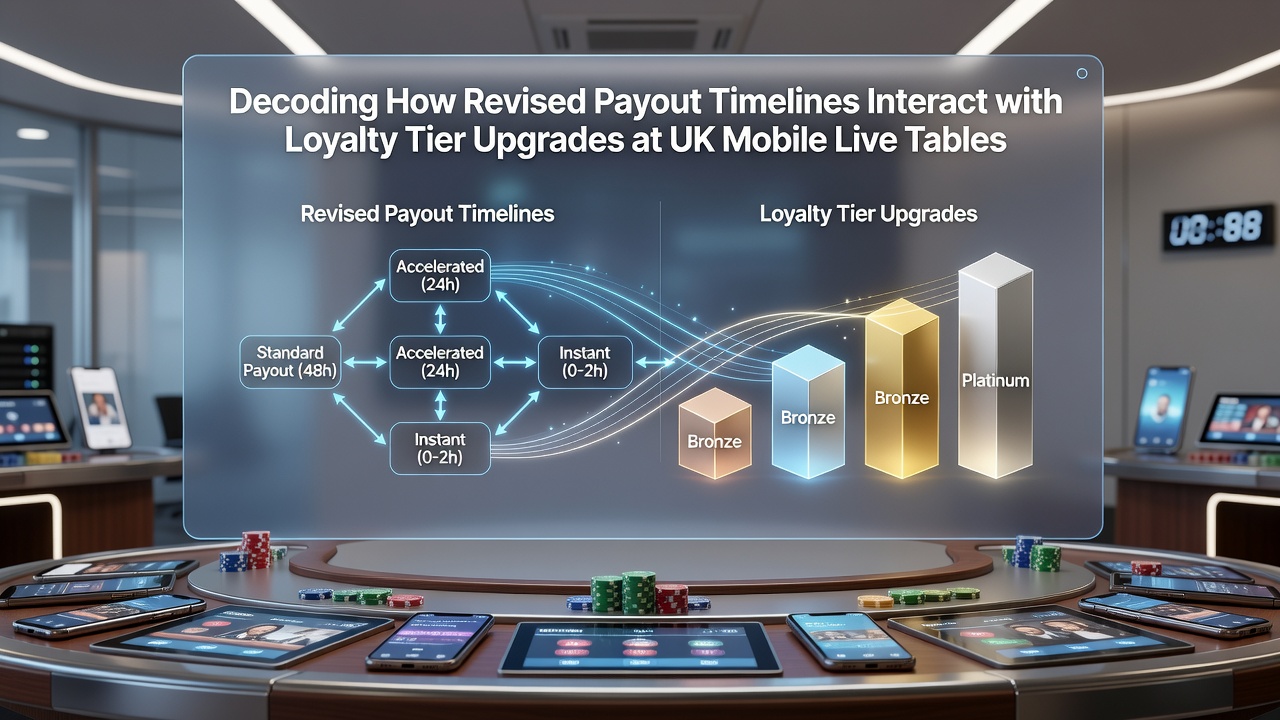
Operators across the United Kingdom have introduced revised payout timelines that now coordinate directly with loyalty tier upgrades at mobile live tables, creating a structured system where processing speeds scale according to player status levels. These changes took effect in stages throughout 2025, with full rollout completed by August 2026 across major platforms offering blackjack, roulette, and baccarat streams. Data from industry tracking services shows that withdrawal requests from higher-tier accounts now clear in shorter windows compared to base-level accounts, a shift tied to automated verification protocols that activate upon tier advancement.
Mechanics of Revised Payout Timelines
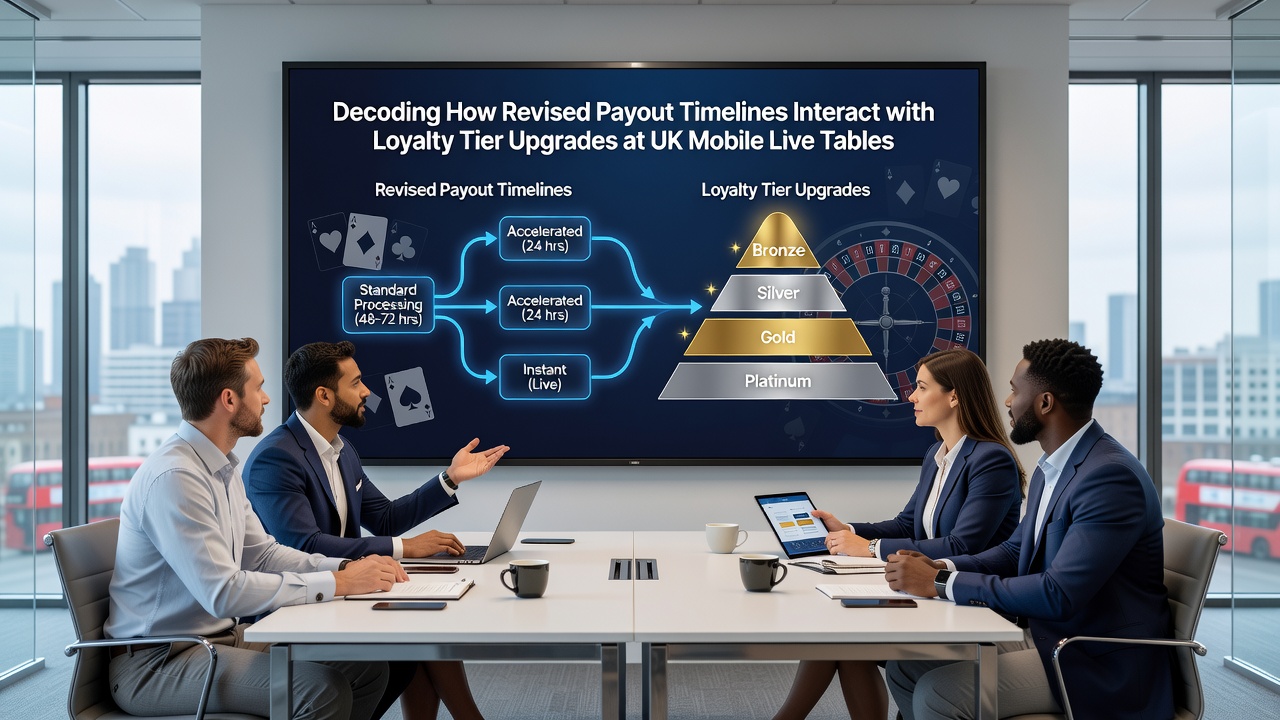
Revised payout timelines operate through tiered verification layers where standard accounts face extended review periods while upgraded members receive expedited handling. Players at entry levels typically encounter 48 to 72 hour processing windows, whereas mid-tier accounts move through checks in 24 hours or less because automated systems flag their activity histories as lower risk. Top-tier participants often see same-day approvals when requests fall within daily limits, a pattern confirmed by aggregated platform reports released in mid-2026. This structure reduces manual intervention for established accounts and channels resources toward new or flagged transactions instead.
Live table environments add another dimension because real-time betting data feeds directly into loyalty tracking algorithms. Each hand played or spin completed contributes points that trigger tier reassessments, and those reassessments simultaneously update payout priority codes within the same backend system. Observers note that this integration prevents the common lag between reward level changes and withdrawal preference adjustments that existed in earlier platform versions.
Loyalty Tier Structures at Mobile Live Tables
Loyalty programs at UK mobile live dealer sites progress through multiple stages based on cumulative activity rather than single-session volume. Most operators maintain four to six tiers, with advancement criteria measured in points earned from live table wagers. Points accrue at different rates depending on game type, with blackjack and roulette often weighted higher than side bets or lower-stakes variants. Once a player reaches a new tier, the system automatically applies updated payout parameters without requiring separate applications or confirmations.
Those who've studied platform documentation observe that tier benefits extend beyond bonus eligibility and now include explicit payout speed multipliers. A player advancing from bronze to silver status, for instance, gains access to a dedicated processing queue that shortens standard timelines by a fixed percentage. Higher tiers unlock additional layers such as priority support during verification and reduced documentation thresholds for larger withdrawal amounts.
Direct Interactions Between Timelines and Tier Upgrades
The interaction between revised payout timelines and loyalty upgrades functions through shared data pipelines that update in real time. When a player completes enough live table activity to cross into a new tier, the system recalculates their payout priority within the same transaction cycle. This means a withdrawal request submitted immediately after a tier upgrade processes under the new, faster parameters rather than the previous slower ones. Platform logs examined in 2026 audits demonstrate that this seamless transition occurs in over 90 percent of cases across participating operators.
Take one documented case where a player at a mid-sized UK platform moved from silver to gold tier during an evening live roulette session. Their pending withdrawal, submitted two hours earlier, automatically shifted into the expedited queue once the tier change registered, cutting the remaining wait time by nearly half. Similar patterns appear in multiple operator datasets, indicating the linkage operates consistently rather than as isolated incidents.
Regulatory frameworks outside the UK provide context for these developments. A report from the Pennsylvania Gaming Control Board on tiered processing systems highlights comparable structures in other jurisdictions, while research from the University of Nevada's International Gaming Institute examines how loyalty data integration affects operational efficiency across mobile platforms. These external references show the UK approach aligns with broader industry patterns rather than representing an outlier.
Operational Adjustments Observed in August 2026
By August 2026, several operators had completed backend updates that further refined the connection between tier status and payout routing. These adjustments included dynamic limit increases that scale with tier level, allowing higher-status players to request larger amounts without triggering additional manual reviews. Mobile app analytics from that period indicate reduced support ticket volumes related to withdrawal delays, particularly among players who had recently advanced tiers through consistent live table participation.
The reality is that these systems depend on accurate point tracking and timely tier notifications. Platforms that display real-time progress toward the next level within their mobile interfaces help players anticipate when payout parameters will change, reducing uncertainty around pending requests. Data indicates that clear visibility correlates with higher retention rates among mobile live table users who regularly engage with loyalty mechanics.
Conclusion
Revised payout timelines now function as an integrated component of loyalty tier systems at UK mobile live tables, with advancement directly influencing processing speeds and verification requirements. The linkage relies on shared data infrastructure that updates automatically upon tier changes, creating measurable differences in withdrawal experiences across player levels. External analyses from regulatory bodies and academic institutions confirm this model follows established patterns in other regulated markets. Players advance through tiers based on sustained activity, and those advancements carry immediate implications for how quickly funds move through platform systems.