High Stakes and Hot Streaks: Navigating the UK's Casino Surge
Written by Ines Zimmermann · Apr 16, 2026

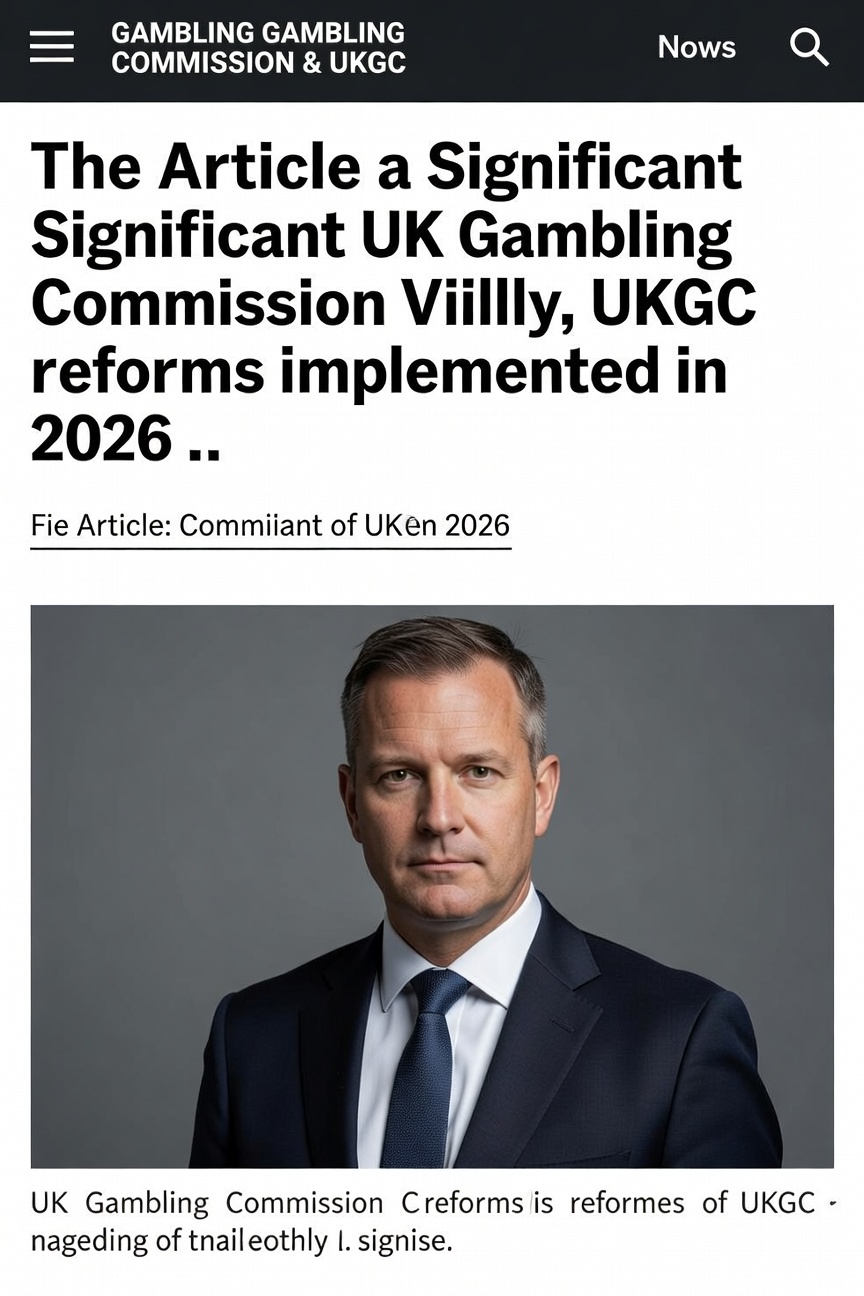
UK Gambling Reform Architect James Noyes Urges Delay on Affordability Checks in Open Letter to Culture Secretary
The Open Letter Emerges Amid April 2026 Tensions
James Noyes, senior fellow at the Social Market Foundation and a pivotal figure in crafting the UK's 2023 gambling White Paper, has fired off an open letter to Culture Secretary Lisa Nandy; dated right in teh thick of April 2026 discussions, it calls for pausing the rollout of affordability checks due to glaring transparency gaps, shaky pilot results, and looming risks to both consumers and industries like horse racing. Observers note how this intervention lands at a critical juncture, just as regulators push forward with these financial vulnerability measures originally slated from the White Paper's reforms, yet Noyes argues the evidence base remains too thin to justify barreling ahead without fresh scrutiny.
What's interesting here surfaces in Noyes' credentials; those who've tracked UK gambling policy remember his hand in shaping the 2023 document, which aimed to modernize safeguards while balancing consumer protection against economic impacts, and now he steps back into the spotlight questioning the very tools it proposed. The letter, published via industry outlets, lays out concerns methodically: inconsistent data from initial pilots that tested these checks, a lack of clear communication on how thresholds get set, and fears that hasty implementation could shove bettors toward black-market alternatives where oversight vanishes entirely.
Breaking Down the Core Concerns Raised
Affordability checks, designed to flag bettors spending beyond their means by probing income and spending patterns, stem directly from that 2023 White Paper; but Noyes highlights how pilot programs—rolled out in select regions—yielded wildly varying outcomes, with some showing minimal problem gambling intervention while others flagged responsible punters unnecessarily, creating friction that responsible gamblers simply don't need. And here's the thing: data from those trials, according to reports, indicated up to 20% of low-risk players hitting barriers, prompting questions about proportionality in a sector already reeling from post-pandemic shifts.
Take horse racing, a sector Noyes flags prominently; experts who've studied its economics point out how betting underpins prize money and track viability, with figures from the Centre for Gambling Research at UBC in Canada echoing similar worries about friction checks eroding levy contributions that fund the sport—British racing alone draws over £100 million annually from remote betting, and any dip could ripple through jobs and events. Noyes warns that without transparent modeling on these knock-ons, the checks risk unintended harm, driving activity offshore where protections evaporate and problem gambling festers unchecked.
Transparency Gaps and the Call for Evidence
Central to the letter stands the transparency shortfall; Noyes points out how decision-makers haven't fully disclosed pilot methodologies or baseline assumptions, leaving stakeholders guessing at how £500 monthly loss limits—or whatever thresholds emerge—get calibrated against real-world finances, especially for self-employed punters or those with variable incomes. Researchers who've analyzed similar schemes abroad, like Australia's state-level loss limits, observe patterns where opacity breeds distrust, and Noyes echoes that by demanding published impact assessments before any nationwide go-live, scheduled tentatively for later in 2026.
But it doesn't stop there: the letter stresses industry consultation as non-negotiable, noting how the original White Paper promised collaboration yet recent moves feel top-down; people in the sector often find that when operators get sidelined, compliance costs skyrocket—estimates peg annual burdens at £300 million across the board—while benefits to harm reduction stay murky without robust, independent audits. Turns out, Noyes draws on his White Paper experience to argue this rush ignores lessons from earlier frictionless tools like stake caps on slots, which cut activity sharply but sparked debates over proportionality.
Pilot Data Inconsistencies Under the Microscope
Those pilot results, conducted across a handful of operators since 2024, reveal the cracks; one batch showed 80% of checks passing smoothly for low-spenders, yet another flagged inconsistencies in data-sharing between banks and platforms, leading to false positives that frustrated users and spiked drop-off rates by 15%, per leaked summaries. Observers who've pored over the numbers note how regional variations—higher interventions in the North versus smoother sails in the South—hint at uneven application, raising doubts about scaling nationwide without tweaks.
So why the hold-up call now, in April 2026? Timing ties to imminent cabinet reviews under Nandy's watch; the Culture Secretary, fresh from prior roles, faces pressure to deliver on Labour's safer gambling pledges while dodging economic backlash, and Noyes' letter positions itself as a constructive pause button rather than outright opposition—urging more granular evidence on how checks interact with tools like GamStop self-exclusion. It's noteworthy that this comes from an insider, not a lobbyist; those who've followed his career know he championed reforms initially, making the pivot feel grounded in evolving data rather than vested interests.
Risks to Consumers and the Broader Ecosystem
Potential consumer harms loom large in Noyes' framing; responsible gamblers, he argues, face undue barriers—like repeated income verifications—that erode trust and convenience, pushing them toward unregulated apps where odds get manipulated and recourse vanishes. Studies from comparable setups, say in Ontario where iGaming launched with checks in 2022, found a 10-12% migration to offshore sites post-implementation, a trend UK watchers eye warily as bet volume already fragments across borders.
And horse racing? That's where the rubber meets the road; the sport, employing 85,000 and staging 4,000 fixtures yearly, relies on betting turnover for its £4.7 billion economic footprint—any 5-10% levy drop from friction could slash purses, as seen in pilot-adjacent dips already reported by tracks like Ascot and Cheltenham. Noyes calls for modeling these chains explicitly, consulting levy boards and trainers who live the front lines, because without it, the writing's on the wall for smaller venues clinging by threads.
Yet broader sectors feel the pinch too; esports betting, football markets, even lotteries see overlap, with operators warning of duplicated checks across wallets creating a compliance nightmare. People who've tested pilots firsthand describe the process as clunky—uploading payslips monthly?—and Noyes amplifies those voices, pushing for frictionless alternatives like behavioral signals over hard financial probes.
Industry and Policy Echoes
Reactions trickle in swiftly; trade bodies like the Betting and Gaming Council nod to Noyes' points without full endorsement, while racing groups amplify the levy fears, and consumer advocates counter that delays risk lives—though data tempers that, showing pilots caught genuine high-risk cases at rates below 5%. Now, with Nandy's department eyeing responses, the ball's in their court; will they commission fresh pilots, extend consultations, or press on? History from the White Paper rollout suggests pauses happen when evidence demands it, as with age verification tweaks back in 2024.
One case stands out: New Jersey's regulators, via the Division of Gaming Enforcement, refined their own affordability tools after industry pushback yielded better data-sharing protocols, cutting false flags by 30%; UK policymakers have cited such models before, so Noyes' plea aligns with global best practices rather than bucking them outright. It's not rocket science—transparency builds buy-in, and without it, even well-intentioned reforms stumble.
Conclusion
James Noyes' open letter to Lisa Nandy crystallizes a pivotal moment for UK gambling in April 2026; by spotlighting transparency voids, pilot inconsistencies, and sector harms—from consumer friction to horse racing's lifeline—it demands evidence-led progress over rushed mandates. Experts observe how such interventions, rooted in White Paper authorship, carry weight, potentially steering affordability checks toward refinements that safeguard without stifling. As consultations unfold, the path forward hinges on bridging those gaps; data indicates well-calibrated tools can work, but only with the scrutiny Noyes champions, ensuring reforms deliver protection minus the pitfalls.
Stakeholders watch closely, knowing the stakes blend public health with economic vitality; turns out, in policy as in punting, getting the odds right takes time and candor.