Live Dealer Dynamics Shaping Incentive Access in Mobile Gambling Platforms
Written by Sam Simon · Jun 4, 2026
Live Dealer Dynamics Shaping Incentive Access in Mobile Gambling Platforms
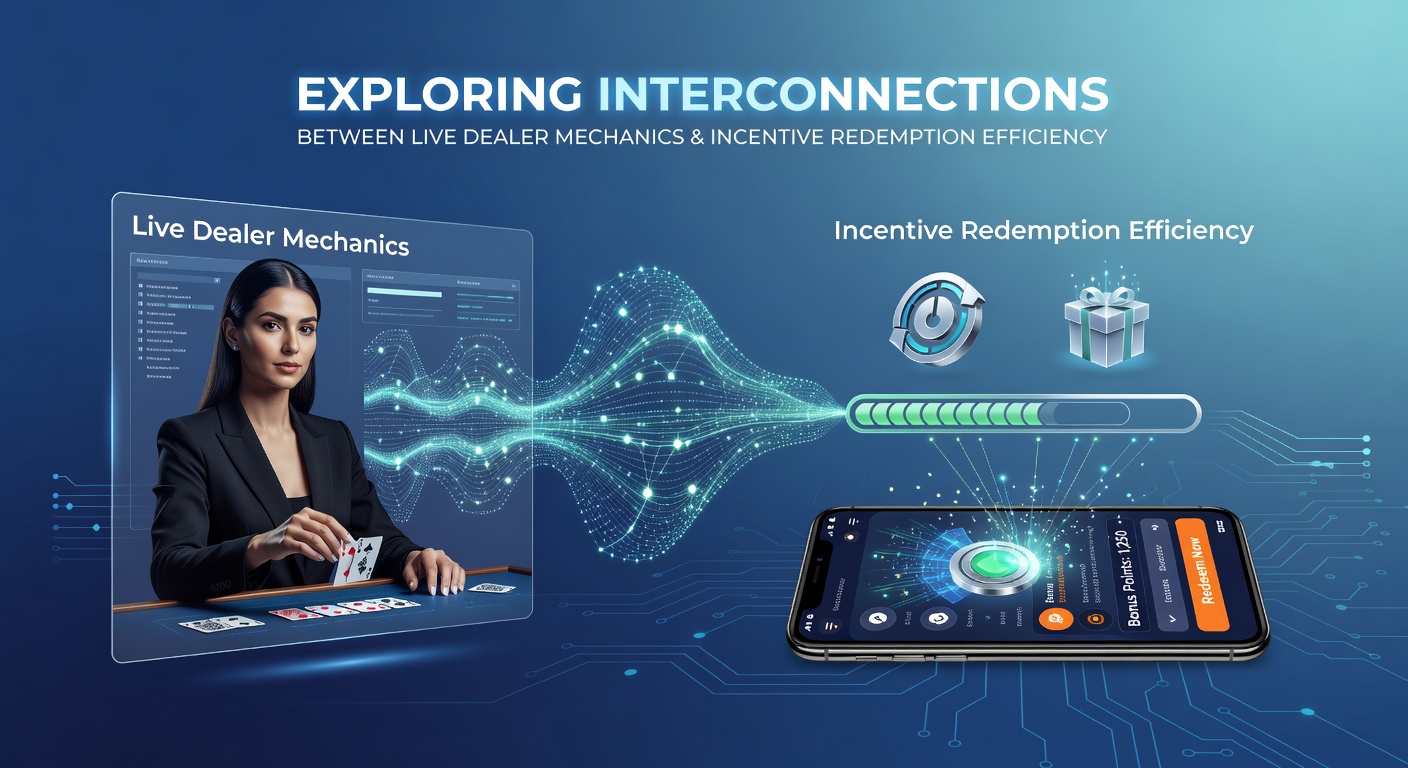
Live dealer games in portable applications combine streaming video feeds with real-time player controls while incentive systems track eligibility through code entry and wagering requirements. Observers note that these elements intersect when session timing and interface responsiveness determine whether redemption sequences complete without interruption. Data from industry monitoring shows mobile users often complete live table sessions in shorter bursts compared to simulated slots yet face additional verification steps when claiming offers during active dealer rounds.
Core Components of Live Dealer Operations
Real-time dealer interactions rely on dedicated studios equipped with multiple camera angles and card recognition software that transmits outcomes within milliseconds to connected devices. Application developers integrate these streams through low-latency protocols that adjust for varying network conditions across regions. Researchers at the University of Nevada Reno documented how frame rates and audio synchronization influence player engagement duration in live blackjack and roulette formats.
Portable platforms further layer geolocation checks and device compatibility tests before granting table access. These background processes run parallel to bonus tracking modules that record every wager placed during dealer-managed hands. When connection stability drops, the system pauses both gameplay and any associated incentive timers until reconnection occurs.
Incentive Structures and Redemption Sequences
Mobile applications present incentives through pop-up notifications or dedicated wallet sections that require code activation followed by minimum stake thresholds. Redemption efficiency improves when interfaces allow seamless switching between live tables and bonus claim screens without full reloads. Industry reports from the Australian Communications and Media Authority indicate that streamlined menu designs correlate with higher completion rates for first-time redemptions among smartphone users.
Live dealer environments add complexity because ongoing rounds cannot be paused manually in many cases. Players must either exit the table or maintain connection while completing verification steps elsewhere in the application. Systems that embed mini redemption panels directly beside the video feed reduce drop-off during this transition phase.
Observed Interconnections and Performance Metrics
Studies tracking user behavior reveal that applications optimizing live stream buffering also record faster incentive processing times. Reduced latency keeps players within active sessions longer, allowing automatic wager tracking to meet playthrough conditions without manual intervention. Canadian Gaming Association data released in early 2025 highlighted similar patterns across tested platforms where integrated live modules showed measurable gains in redemption success compared to siloed bonus interfaces.
Conversely, platforms experiencing frequent stream interruptions demonstrate delayed code validations because session logs require reconciliation after reconnection. Mobile carriers in congested urban areas contribute to these variances, prompting developers to implement adaptive bitrate streaming that preserves both dealer visibility and background incentive monitoring.

Technical Factors Affecting Efficiency in June 2026
By June 2026 application updates across several providers introduced enhanced caching for live video segments while maintaining continuous synchronization with backend bonus engines. These changes addressed previous bottlenecks where high-definition streams competed for device resources needed to process redemption requests. Observers tracking adoption rates note improved consistency in regions with variable 5G coverage following these deployments.
Device hardware also plays a role as newer chipsets handle simultaneous video decoding and transaction logging with less thermal throttling. Older models continue to exhibit higher abandonment rates during combined live dealer and incentive tasks according to aggregated telemetry shared by platform operators. Developers respond by offering reduced video quality toggles that preserve redemption functionality on legacy hardware.
Regional Regulatory Influences
European regulators outside the United Kingdom have examined how live dealer mechanics interact with consumer protection requirements around bonus transparency. Guidelines encourage clear display of remaining wagering requirements even while tables remain active. Similar discussions appear in North American jurisdictions where state-level gaming boards review mobile application submissions for integrated system performance.
Operators adjust code structures accordingly, embedding real-time progress indicators that update during live rounds rather than after session completion. This approach aligns with broader industry shifts toward continuous compliance monitoring across portable environments.
Conclusion
Live dealer mechanics and incentive redemption processes in mobile gambling applications demonstrate measurable interdependence through shared demands on network stability, interface design, and device resources. Continued refinements in streaming technology alongside backend synchronization tools support higher completion rates for both gameplay and offer fulfillment. Ongoing data collection from multiple regulatory regions provides further insight into these operational links as portable platforms evolve.