Mobile Interfaces Highlight Alignment Patterns in Promo Codes and Table Game Credit Timelines
Written by Katja Simon · Jul 11, 2026
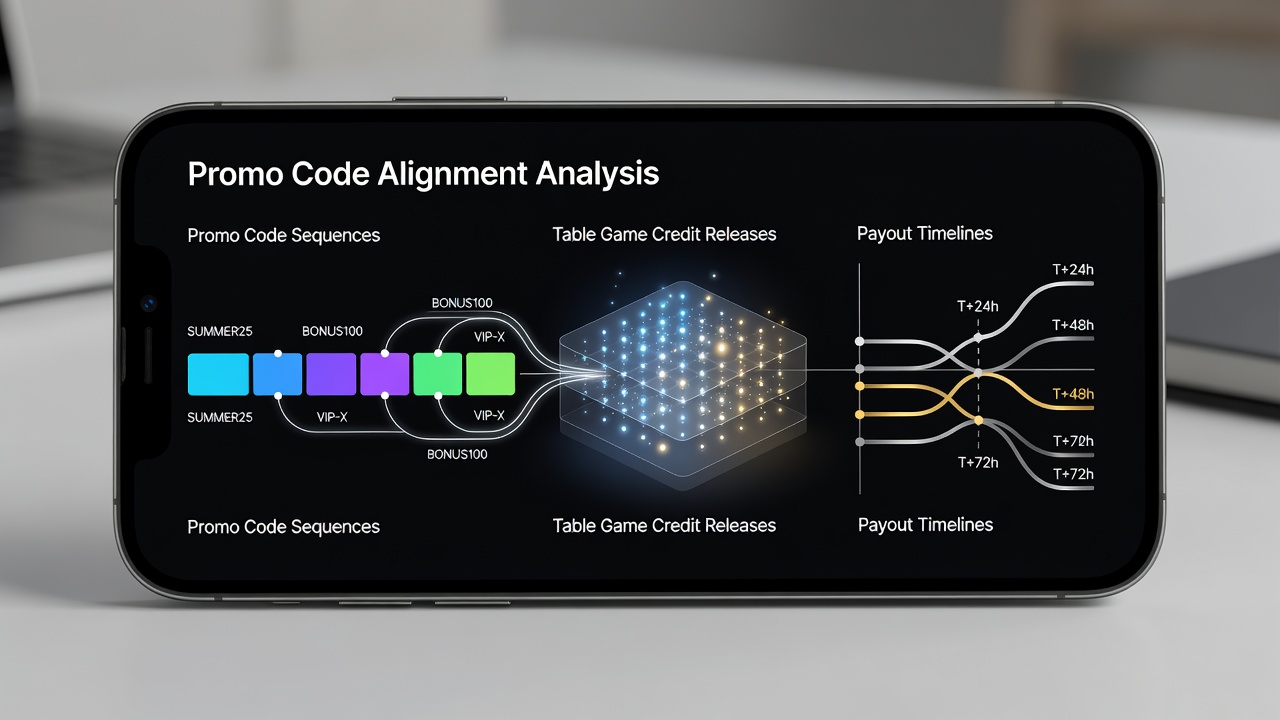
Mobile Interfaces Highlight Alignment Patterns in Promo Codes and Table Game Credit Timelines
Smartphone applications used for table games display structured sequences where promo code activation coincides with credit release schedules and payout processing windows. Observers note that these interfaces organize code entry fields alongside real-time balance trackers, creating visible connections between user inputs and automated system responses. Data from industry reports shows that such alignments occur across multiple platforms operating under licenses from bodies like the Nevada Gaming Control Board.
Interface Elements That Map Code Sequences to Credit Events
Developers design app layouts so that promo code fields appear near sections tracking table game credits, which allows users to enter sequences at moments when credit releases are scheduled. These layouts often include timestamp indicators that update as codes process, revealing how entry timing matches backend credit distribution rules. Research from academic studies on digital gaming interfaces indicates that visual cues such as progress bars and confirmation notifications help illustrate these alignments without requiring external documentation.
Users frequently encounter layered menus where selecting a table game category triggers displays of available promo sequences, and these displays update to show corresponding credit release points. The structure connects code validation steps directly to payout timeline estimators, presenting estimated processing durations based on prior transaction data. Figures from Canadian regulatory summaries reveal consistent patterns in how apps synchronize these elements across different game types.
Patterns Observed in Promo Code Processing and Payout Windows
Analysis of app behaviors demonstrates that promo codes for table games follow ordered steps where initial validation precedes credit allocation by fixed intervals. These intervals align with payout request windows, as the interface updates status fields to reflect when funds become eligible for withdrawal. Studies from the University of Nevada Reno's gaming research division document how such sequencing reduces mismatches between code activation and actual credit availability in live sessions.
Table game sections within apps often refresh credit balances immediately after code confirmation, while payout timelines appear in separate panels that reference the same transaction logs. This setup creates a traceable path from sequence entry through credit release to final payout confirmation. Reports compiled by Australian gambling research centers show that these interface features appear more frequently in apps supporting multiple regional licenses.
Technical Features Supporting Sequence and Timeline Visibility
Push notification systems integrated into smartphone apps notify users when promo code effects activate and when table game credits post to accounts. These notifications include details on payout eligibility periods, linking the original code sequence to subsequent financial events. Data aggregated by European gaming technology associations highlights how API connections between frontend displays and backend ledgers enable this level of transparency.
Developers incorporate expandable sections that detail credit release mechanics tied to specific promo codes, allowing users to view historical alignment examples within the app itself. Such features connect directly to payout calculators that adjust based on game type and code category. Observers tracking app updates through July 2026 note incremental refinements to these sections that improve clarity around processing sequences.
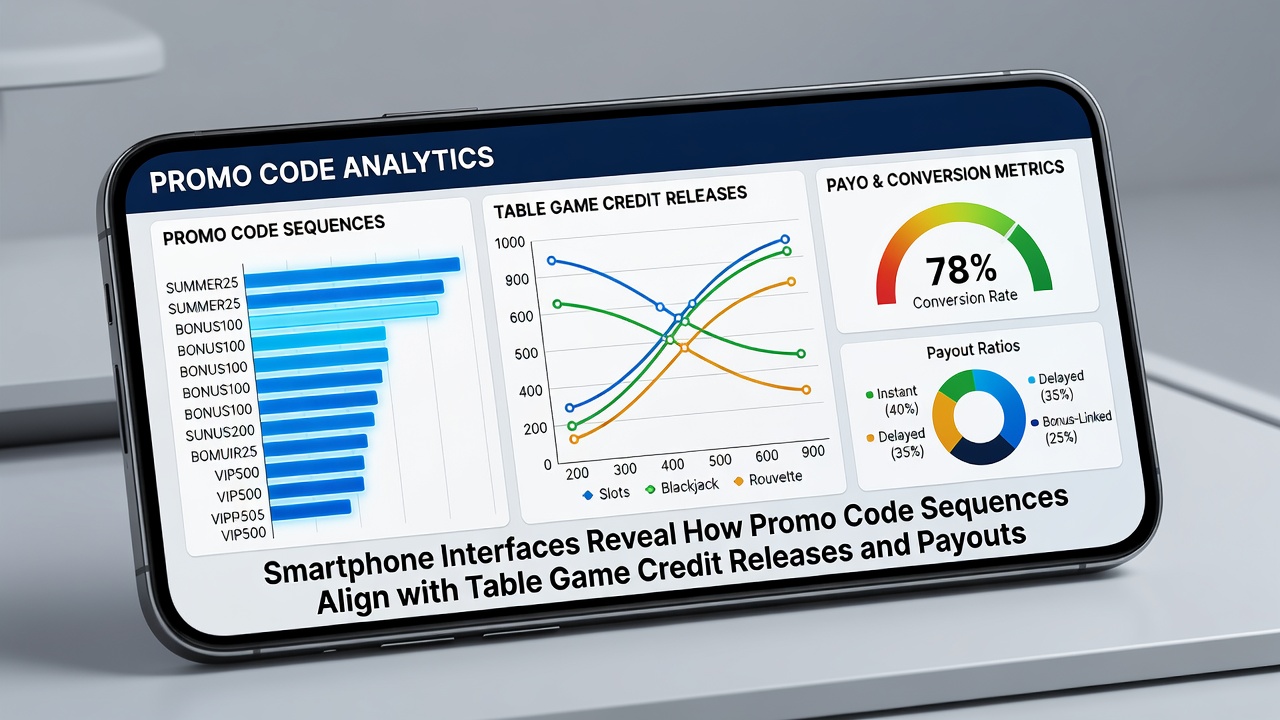
Regional Variations in How Apps Present These Alignments
Platforms licensed in the United States tend to emphasize visual timelines within table game interfaces that link promo sequences to credit postings and withdrawal windows. In contrast, applications serving Canadian markets integrate similar information through dashboard summaries that update dynamically after code entry. Comparative data from international gaming reports illustrates these differences while confirming the underlying alignment mechanisms remain consistent.
Apps operating across borders adjust display formats to comply with varying disclosure requirements, yet the core connection between code sequences, credit releases, and payout schedules persists. Industry analyses from the International Association of Gaming Regulators indicate that these adaptations maintain functional visibility regardless of regional rules.
Conclusion
Smartphone interfaces continue to evolve in ways that make promo code sequences, table game credit releases, and payout timelines more interconnected through visual and functional design. Reports from diverse regulatory and research sources confirm these patterns across multiple jurisdictions. As applications update through periods such as July 2026, the presentation of these alignments supports clearer tracking of transaction flows within table game environments.