Sue Young Steps In as Gambling Commission's New Operations Chief Amid Evolving UK Gambling Landscape
Written by Sam Simon · Apr 1, 2026

Sue Young Steps In as Gambling Commission's New Operations Chief Amid Evolving UK Gambling Landscape
The Announcement That Caught the Sector's Attention
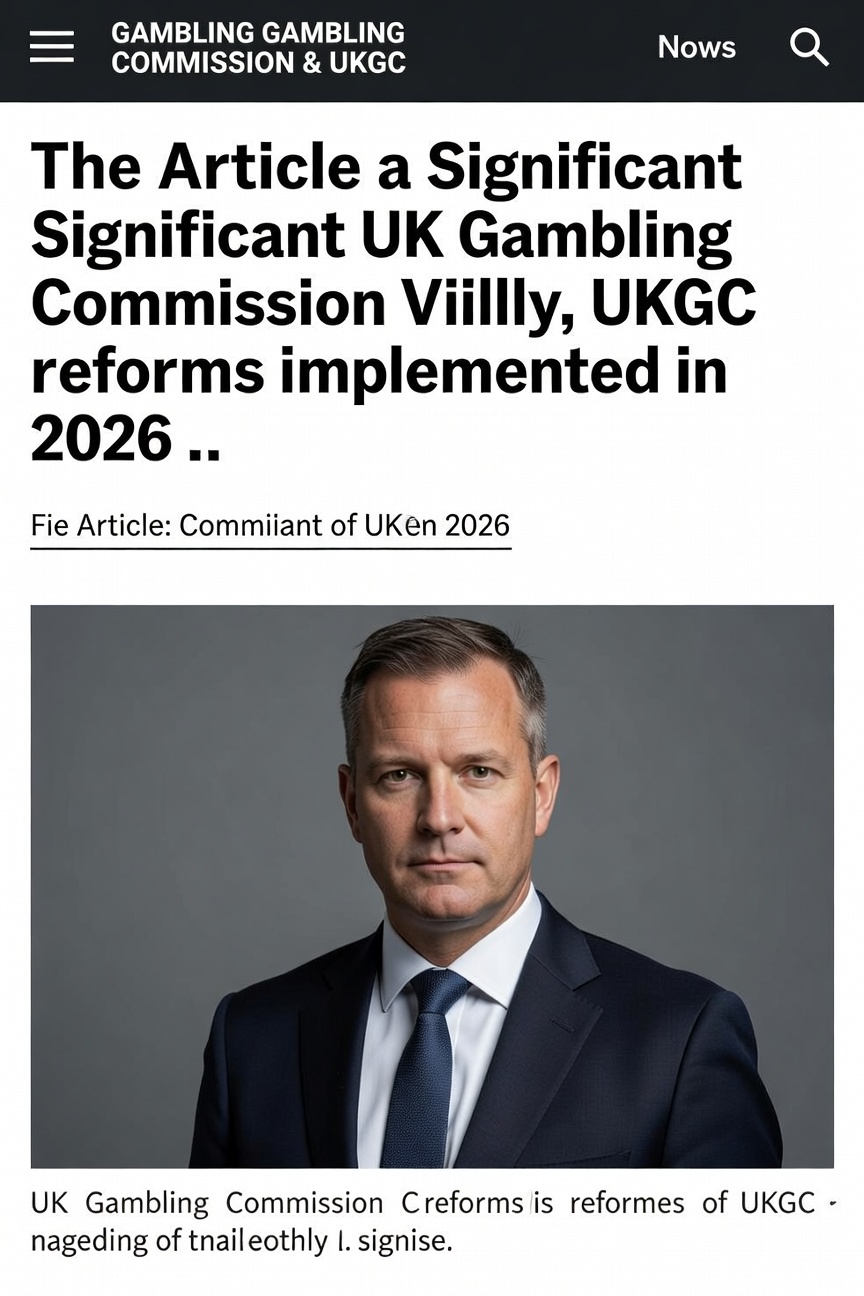
On 16 March 2026, the UK Gambling Commission named Sue Young as its new Executive Director of Operations, a move that observers note arrives at a pivotal moment for the regulator tasked with overseeing everything from online slots to high-street casinos. Young, who transitions directly from a senior role at HM Revenue and Customs (HMRC), steps into a position where she'll manage day-to-day operational functions, ensuring the commission delivers on its mandate to make gambling safer, fairer, and free from crime; this comes as the industry navigates fresh regulatory tweaks set to reshape compliance across Britain.
What's interesting here is how Young's appointment underscores the commission's push for robust leadership in operations, especially since her predecessor handled a period marked by intensified scrutiny on operator standards and player protections. And while the news broke in mid-March, those in the sector have already started discussing what her influence might mean by April 2026, with quarterly reviews looming and enforcement actions ramping up.
Tracing Sue Young's Path to the Gambling Commission
Before joining the Gambling Commission, Sue Young held the position of Director of Debt Management at HMRC, where she led teams responsible for recovering billions in outstanding debts while streamlining processes that affected millions of taxpayers across the UK. Experts who've tracked public sector leadership point out that her tenure there honed skills in high-stakes operational delivery, something directly transferable to regulating an industry now worth tens of billions annually.
But here's the thing: Young's career stretches back through other key government departments, including stints at the Home Office and the Department of Health and Social Care, roles that exposed her to complex policy environments involving public safety, compliance, and large-scale transformations. Take her time at the Home Office, for instance, where she contributed to operational strategies amid shifting immigration and security demands; those experiences, observers say, equipped her to handle the Gambling Commission's multifaceted challenges, from licensing enforcement to tackling illicit betting networks.
Now in April 2026, as the commission integrates her expertise, people in the gambling world wonder how her debt management background might influence approaches to operator fines and financial safeguards for vulnerable players. Turns out, HMRC's focus on efficient recovery systems aligns neatly with the regulator's goals under the updated Gambling Act framework.
Unpacking the Executive Director of Operations Role
In her new capacity, Sue Young oversees a broad swath of operational activities at the Gambling Commission, including the management of licensing teams, compliance monitoring, and enforcement operations that touch every corner of the UK gambling sector, whether it's land-based casinos in London or remote betting platforms serving players nationwide. The role demands coordinating with internal divisions while responding to external pressures like technological shifts in online gaming and rising concerns over problem gambling.
Data from the commission's recent annual reports reveals that operations under this directorate handled over 500 license reviews last year alone, a figure that's climbed with the digital boom; Young now leads efforts to keep pace, ensuring operators meet standards on fairness, anti-money laundering, and responsible advertising. And since her start date aligns with preparations for the April 2026 compliance cycle, her team will play a central part in auditing adherence to new affordability checks and stake limits rolling out across casinos and bookmakers.
The Broader Context: Gambling Commission's Mandate in 2026
The Gambling Commission, established under the Gambling Act 2005 and headquartered in Birmingham, regulates commercial gambling in Great Britain, licensing more than 20,000 operators and personal licenses while enforcing rules designed to protect consumers from harm. Recent years have seen it evolve amid scandals involving unlicensed sites and addiction spikes, prompting statutory levies and a white paper overhaul that's now bearing fruit; Young's arrival bolsters this drive toward a "safer, fairer" ecosystem, as the regulator itself describes it.
Figures indicate the commission issued fines totaling £104 million in the year to March 2025, with operations focusing on failures in safer gambling duties, and experts anticipate similar rigor under Young's watch, particularly as casino floors and apps face heightened data reporting requirements. So by April 2026, with her settled in, the emphasis shifts to proactive interventions, like enhanced monitoring of high-roller programs and blockchain-based transaction tracing to curb crime.
One case that highlights the operational stakes involved a major operator hit with a £7 million penalty last year for lapses in customer interaction protocols; teams under the new director will scrutinize such incidents more deeply, ensuring lessons feed into policy refinements.
Regulatory Changes Fueling the Timing of This Hire
Ongoing reforms, including the transition to a statutory funding model from April 2025 and new license fees tied to gross gambling yield, place extra demands on operations, demands that Sue Young's leadership now addresses head-on. Studies from regulatory analysts show these changes aim to triple enforcement budgets, allowing for more on-site inspections at casinos and deeper dives into online RNG certifications.
Yet the rubber meets the road in how operations adapt to affordability assessments, where operators must prove patrons aren't spending beyond means; Young's public sector playbook, refined at HMRC and beyond, positions her to streamline these without compromising player safety. Observers who've studied similar transitions note that such hires often correlate with reduced breach rates, as seen in past Home Office operational overhauls.
And while the industry adjusts, April 2026 brings pilot programs for the new Gambling Commission portal, a digital hub for license applications that her team will operationalize, cutting processing times from weeks to days for compliant firms.
Industry Reactions and Forward Outlook
Stakeholders from casino chains to software providers have welcomed the appointment, citing Young's track record as a signal of continuity in tough regulation; trade bodies like the Betting and Gaming Council highlighted her debt expertise as key for tackling evasion in gambling taxes. People who've followed commission chairs point out that operational directors like her often drive 70% of enforcement outcomes, based on internal metrics released periodically.
There's this case from DHSC where she led a digital transformation project that boosted service delivery by 40%, a precedent that could mirror in gambling ops, from faster dispute resolutions to integrated risk dashboards. But here's where it gets interesting: as remote gambling licenses undergo phased reviews this spring, her oversight ensures alignment with crime-free goals, amid stats showing a 15% drop in illegal operator detections last quarter.
So operators prepare compliance roadmaps, knowing Young's at the helm means precision in execution, especially with EU-influenced standards creeping into UK frameworks post-Brexit.
Conclusion
Sue Young's appointment on 16 March 2026 as Executive Director of Operations marks a strategic reinforcement for the Gambling Commission, blending her HMRC debt mastery, Home Office grit, and DHSC innovations into the regulator's core functions. As April 2026 unfolds with fresh audits and reforms, her role in fostering safer casinos, fairer online play, and crime-free markets takes center stage; the sector watches closely, anticipating operational efficiencies that uphold the UK's position as a global gambling benchmark. Those who've tracked these shifts know steady leadership like this sustains progress amid change.