Tracing Digital Rewards: Pathways from Claim to Disbursement in Mobile Gaming Apps
Written by Ines Zimmermann · Aug 13, 2026
Tracing Digital Rewards: Pathways from Claim to Disbursement in Mobile Gaming Apps
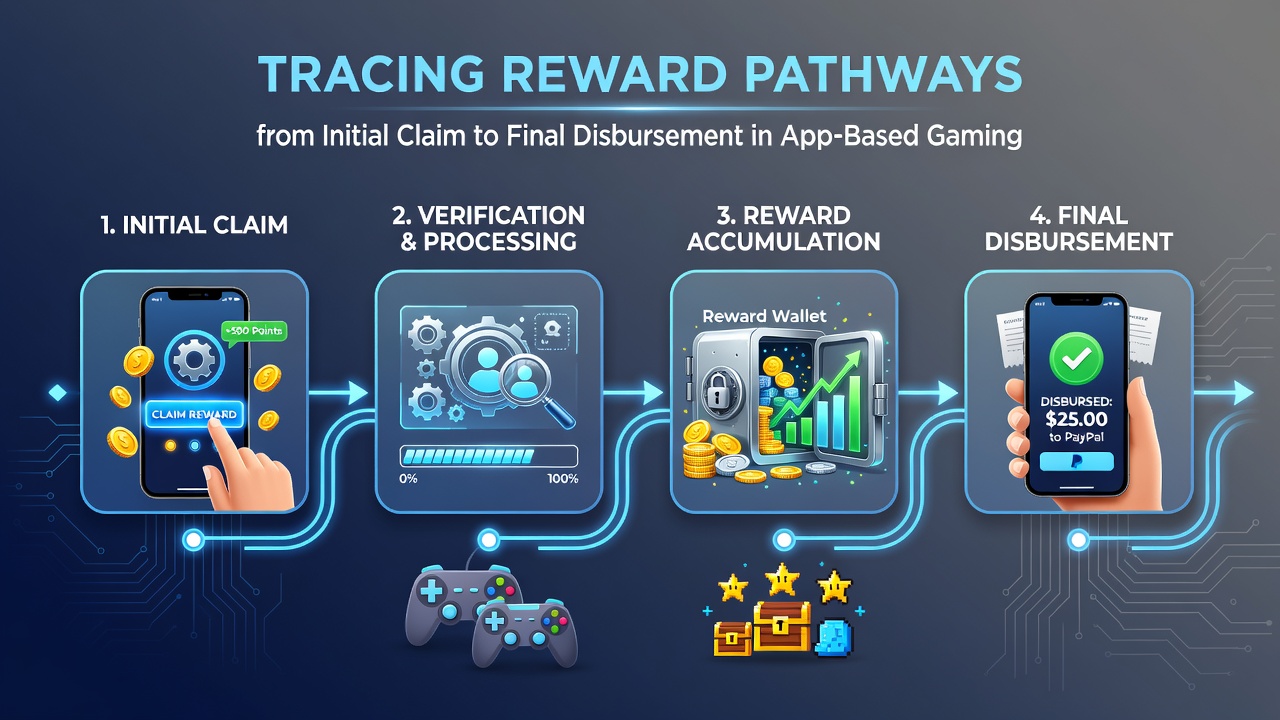
App-based gaming platforms process millions of reward claims daily through structured digital systems that track user actions from initial engagement to final payout. These pathways rely on server-side databases, user account linkages, and automated verification protocols that record every step without manual intervention in most cases.
Starting the Claim Process
Users typically begin by tapping notification banners or in-game event prompts that appear after completing specific milestones such as level progression or daily logins. The system logs the claim timestamp along with device identifiers and account credentials before routing the request to backend servers for initial eligibility screening. Data from industry reports shows that over 70 percent of claims originate through mobile push notifications rather than direct menu navigation, according to findings published by the Entertainment Software Association.
Once submitted the claim enters a queue where algorithms cross-reference player history against predefined reward rules including playtime thresholds and geographic restrictions. This stage often completes within seconds although high-volume periods can extend processing by a few minutes as servers balance loads across regional data centers.
Verification Layers and Data Matching
Automated checks confirm that the account meets all criteria before advancing the reward further along the pathway. Systems compare submitted details against stored profiles to detect duplicates or policy violations while incorporating device fingerprinting techniques that help prevent abuse across multiple sessions. Observers note that integration with third-party identity services has become standard practice in many platforms since 2024 to strengthen these safeguards.
Intermediate Routing and Approval
Approved claims move into processing pipelines where value calculations adjust based on current promotional parameters and user segmentation data. Rewards may convert into virtual currency, experience points, or redeemable tokens depending on the game design while each transformation gets recorded in immutable audit logs. As of August 2026 platform operators report that integration of real-time analytics tools has reduced average handling times by 25 percent compared with earlier systems.
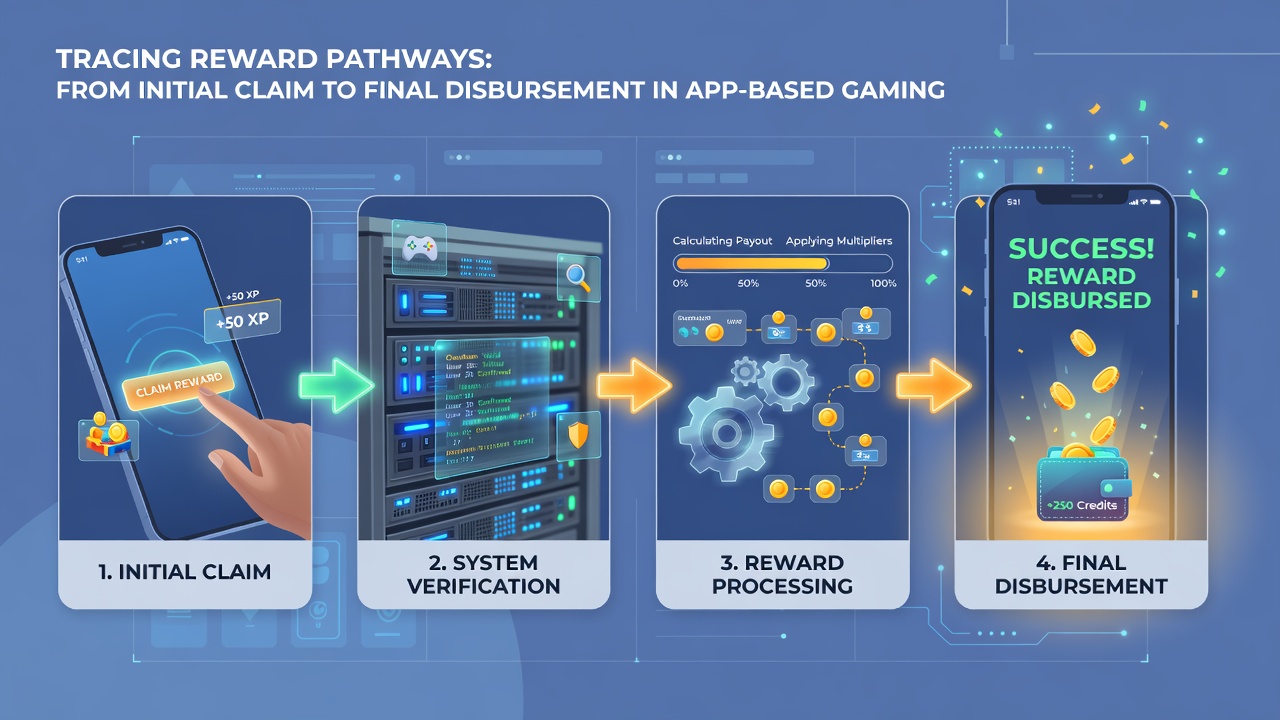
During this phase conditional holds sometimes apply if additional review flags appear such as unusual activity patterns or pending account updates. Operators maintain separate queues for standard versus flagged items allowing the majority of legitimate claims to proceed uninterrupted while specialists examine outliers.
Final Disbursement Mechanisms
Disbursement occurs through several channels including direct crediting to in-app wallets, transfer to linked external accounts, or issuance of digital vouchers redeemable for physical goods. The choice of method depends on user preferences set during account setup along with regional availability of payment partners. Research from the Innovation, Science and Economic Development Canada indicates that digital wallet integrations now account for the largest share of successful reward deliveries in North American markets.
Confirmation messages reach users via email or in-app alerts once funds or items appear in the designated location. These notifications include transaction identifiers that players can reference if follow-up inquiries arise. Tracking dashboards within many applications display the complete history from claim date through to completion allowing users to monitor status at any point along the sequence.
Conclusion
The end-to-end reward pathway in app-based gaming combines automated verification, segmented processing, and flexible delivery options into a single traceable flow. Platform updates continue to refine these systems by incorporating new authentication methods and analytics while maintaining compliance with varying international standards on digital transactions and consumer data handling.